
Custom Studies
The Custom Seminary Plan is designed for students who want to build their own course of study according to their convictions, interests, and season of life, rather than fitting into a predefined denominational track. Learners choose their own books, courses, and focus areas—such as Bible, theology, church history, ministry, or Christian living—and organize them into a structured plan at the pace that works best for them. This makes it especially well‑suited for self‑motivated believers, homeschoolers, lay leaders, and ministry workers who value both freedom and seriousness in their studies. By the end, each student will have completed a personalized program that reflects what they believe is most important for their growth and service.
| Module | Course | READING HOURS (approx. 250 hrs) |
|---|---|---|
| You choose the # of Modules | You choose the courses of study | A minimum of 250 hrs of reading |
Apologetics Studies
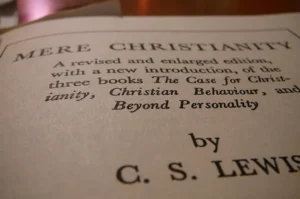
The Apologetics Studies Plan immerses students in the historic defense of the Christian faith as articulated by five confessional traditions: Reformed, Reformed Baptist, Anglican, confessional Lutheran, and Presbyterian. Through primary works — from Anselm and Van Til to Luther, Paley, Spurgeon, and Frame — students will learn both major schools of apologetic method, presuppositional and classical/evidentialist, and see how each tradition has answered skepticism, deism, and liberalism in its own historical context. By the end, students can articulate, compare, and defend these confessional approaches to reasoned faith, equipping them to engage unbelief with both historical depth and doctrinal precision.
| Module | Course | READING HOURS (approx. 250hr) |
|---|---|---|
| 1 | Classical & Evidentialist Apologetics | 59 |
| 2 | Historical-Legal Apologetics | 20 |
| 3 | Presuppositional Apologetics | 69 |
| 4 | Confessional & Polemical Apologetics | 71 |
| 5 | Cultural & Worldview Apologetics | 31 |
Anglican Studies
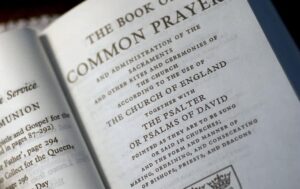
The Anglican Studies Plan offers a deep immersion into classic, conservative Anglican theology and practice. Students will engage directly with the core Anglican formularies (Articles, Prayer Book, Ordinal, and Homilies) and key commentaries, learning how Anglican doctrine, worship, and confessional identity fit together. They will then move into substantial works of theology and church history to understand how Anglicanism developed, why it is both reformed and catholic, and how it situates itself in the wider Christian tradition. Finally, students will be formed in pastoral ministry and spiritual life through classic Anglican manuals on the cure of souls, holiness, and the daily work of a parish priest, giving the program a strong emphasis on both doctrine and devotion.
| MODULE | COURSE | READING HOURS (approx. 250 hrs) |
|---|---|---|
| 1 | Confessions & Formularies | 80 |
| 2 | Doctrine & Dogmatic Theology | 70 |
| 3 | Church History & Anglican Identity | 50 |
| 4 | Pastoral Ministry | 30 |
| 5 | Spirituality & Devotional Formation | 20 |
Baptist Studies
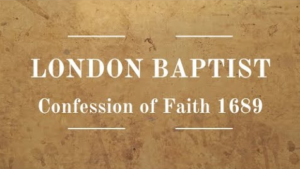
The Baptist Studies Plan will immerse students in the historic 1689 London Baptist Confession and the Reformed Baptist tradition that flows from it, grounding them in a robust, confessional theology. Through classic systematic theologies, they will learn the doctrines of God, salvation, the church, and the Christian life as articulated by key Baptist theologians like Gill, Dagg, Boyce, and Fuller. They will then explore how sound doctrine shapes local church life and pastoral ministry, with focused attention on preaching, church order, and congregational health. Finally, they will trace Baptist history and gaining a deep sense of historical continuity with the broader confessional Baptist heritage.
| MODULE | COURSE | READING HOURS (approx. 250 hrs) |
|---|---|---|
| 1 | Confessional Foundation | 60 |
| 2 | Systematic Theology | 85 |
| 3 | Church Polity and Ministry | 45 |
| 4 | Baptist History | 60 |

Bible Studies
This homeschool seminary Bible Studies plan offers a foundational, whole‑Bible survey built on a full study Bible paired with two seminary‑level introductions to the Old and New Testaments. Students will read straight through Scripture while working through critical introductory matters for every book—authorship, date, historical background, literary structure, and theological themes. An Introduction to the New Testament by D. A. Carson and Douglas J. Moo, together with An Introduction to the Old Testament by Tremper Longman III and Raymond B. Dillard, give students the historical-critical and canonical grounding needed to understand each book in its original context. By the end, students will have both a working knowledge of the whole biblical narrative and the scholarly foundation necessary for all further theological study.
| MODULE | COURSE | READING HOURS (approx. 165 hrs) |
|---|---|---|
| 1 | Study Bible Introduction and Text | 100 |
| 2 | Old Testament Introduction | 40 |
| 3 | New Testament Introduction | 25 |
Church History Studies
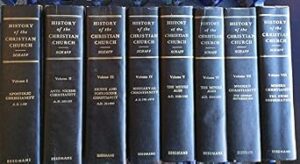
The Church History Studies plan walks students through the Protestant story of the church in four modules, moving from a broad orienting survey into the Continental Reformation (Luther, Calvin, and the Reformed churches), then the English Reformation and Puritan movement, and finally the 18th–20th century revivals and the rise of American Christianity. The plan deliberately favors historical narrative over biography, with one exception: Roland Bainton’s Here I Stand, widely regarded as the essential Luther biography. By the end, students will be able to trace the church’s development from the Reformation through modern American evangelicalism, grounded in primary historiography rather than secondary summaries.
| MODULES | COURSE | READING HOURS (approx. 250 hrs) |
|---|---|---|
| 1 | Orientation: The Grand Narrative | 18 |
| 2 | The Continental Reformation | 84 |
| 3 | The English Reformation & Puritan Nonconformity | 73 |
| 4 | Revival, Awakening, and American Christianity | 75 |
Lutheran Studies
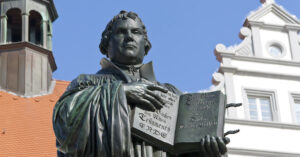
The Lutheran Studies Plan offers a structured journey into historic, confessional Lutheran theology. Students begin with the primary Lutheran confessions and major dogmatics, learning how the church has articulated biblical doctrine on God, Christ, salvation, sacraments, and the Christian life. They then move into modules on theology and vocation, pastoral ministry and soul care, and prayer and spiritual formation, gaining practical insight into how law and gospel shape preaching, counseling, and daily discipleship. The final module introduces key apologetic and historical texts, helping students discern and defend orthodox Christianity in the face of modern theological liberalism.
| Module | Course | READING HOURS (approx. 250 hrs) |
|---|---|---|
| 1 | Confessions and Doctrine | 100 |
| 2 | Theology and Christian Life | 60 |
| 3 | Pastoral Ministry, Preaching, and Soul Care | 45 |
| 4 | Prayer and Spiritual Formation | 20 |
| 5 | Apologetics and Church History | 25 |
Presbyterian Studies
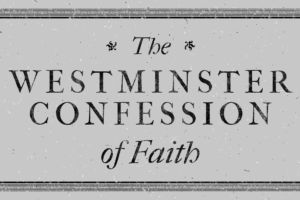
The Presbyterian Studies Plan offers a structured, 7‑module journey through classic, confessional Presbyterian theology and practice. Students begin with the Westminster Standards and a doctrinal foundation, then move into rigorous Reformed dogmatics, biblical and covenant theology, and the practical realities of pastoral ministry and providence. They will also gain a biblical counseling framework, learn to defend the faith using presuppositional apologetics, and study the development of Presbyterianism in America through key historical works. By the end, students will have a coherent, integrated grasp of Presbyterian doctrine, pastoral theology, counseling, apologetics, and church history.
| MODULE | COURSE | READING HOURS (approx. 250 hrs) |
|---|---|---|
| 1 | The Westminster Standards and Doctrinal Foundations | 25 |
| 2 | Classical Reformed Dogmatics | 70 |
| 3 | Biblical Theology and Covenant Structure | 35 |
| 4 | Pastoral Ministry and Providence | 35 |
| 5 | Biblical Counseling and Soul Care | 15 |
| 6 | Presuppositional Apologetics | 20 |
| 7 | Presbyterian Church History | 50 |
“Everyone is a theologian. The question is not whether we are going to be theologians, but whether we are going to be good theologians.”
R.C. Sproul